Postinflammatory Hyperpigmentation
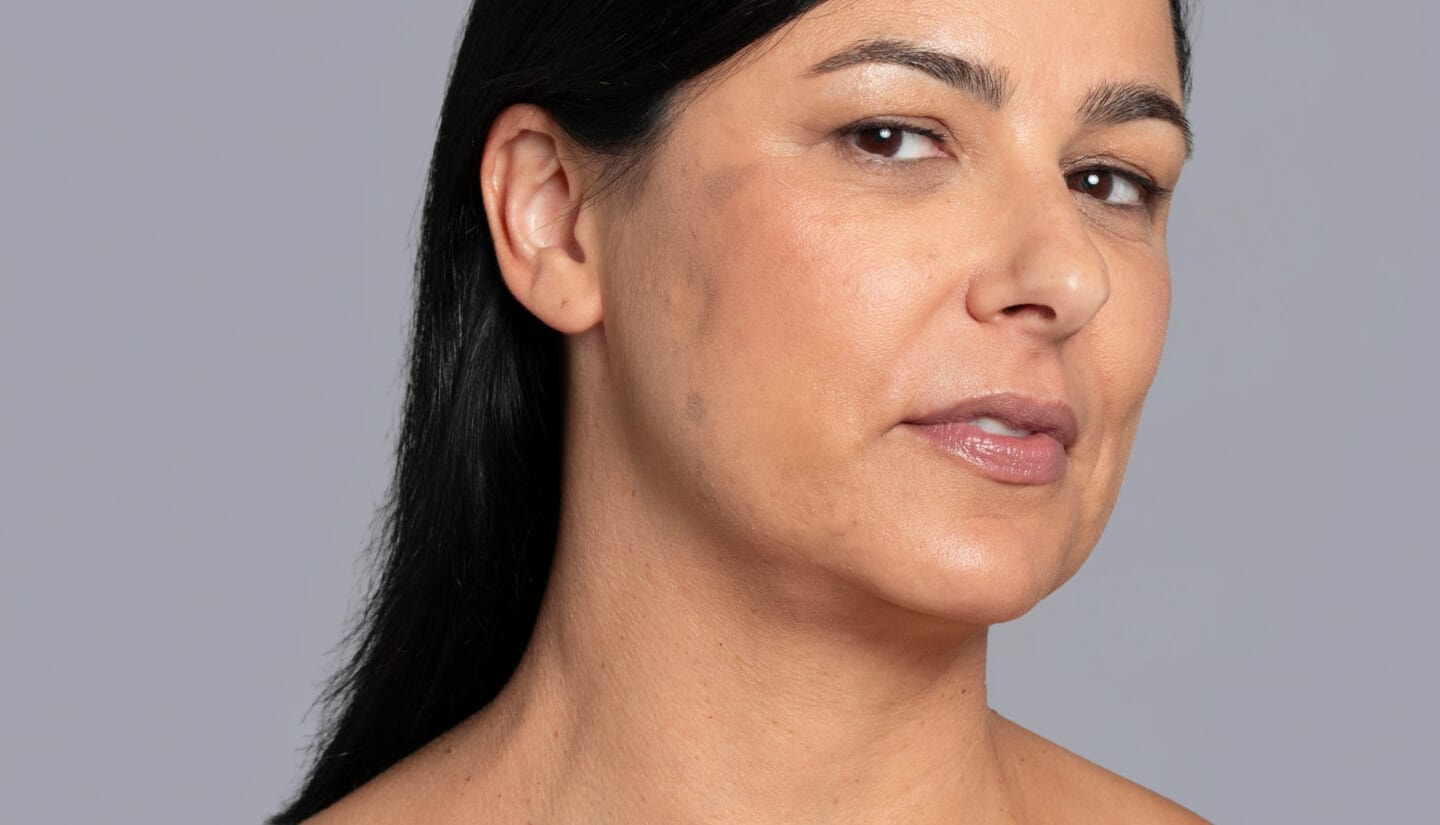
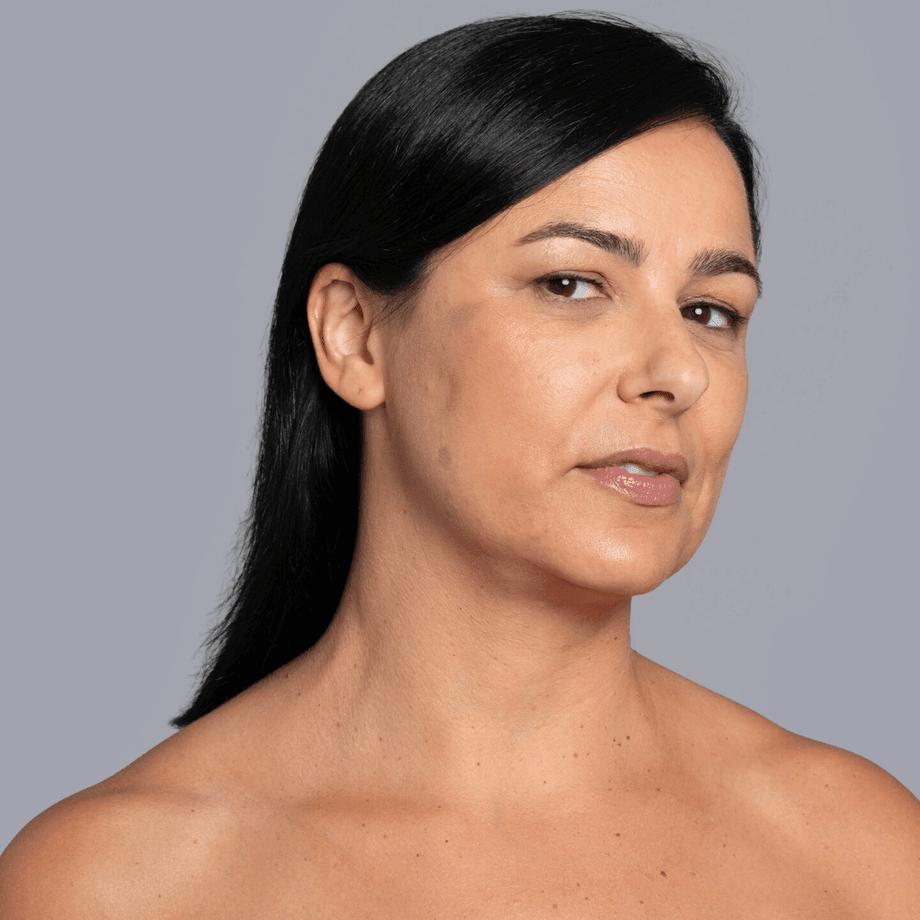
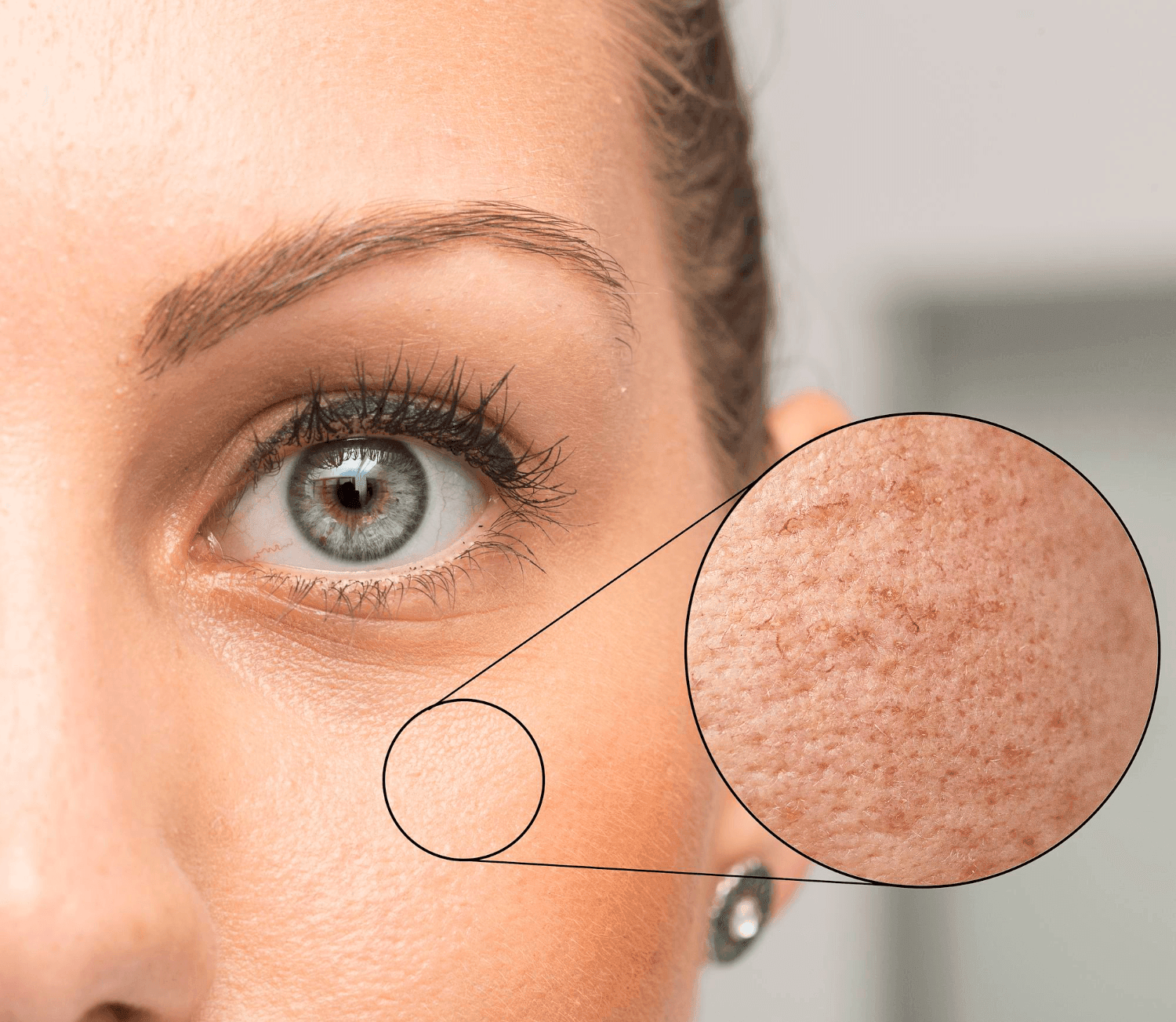
Dark spots and brown patches are areas of skin that appear darker due to increased melanin production, the pigment responsible for skin color. This process can be influenced by factors such as sun exposure, hormonal fluctuations, and chrono aging.
These visible changes may affect the skin’s overall appearance. Addressing pigmentation concerns can help improve how the skin looks over time.

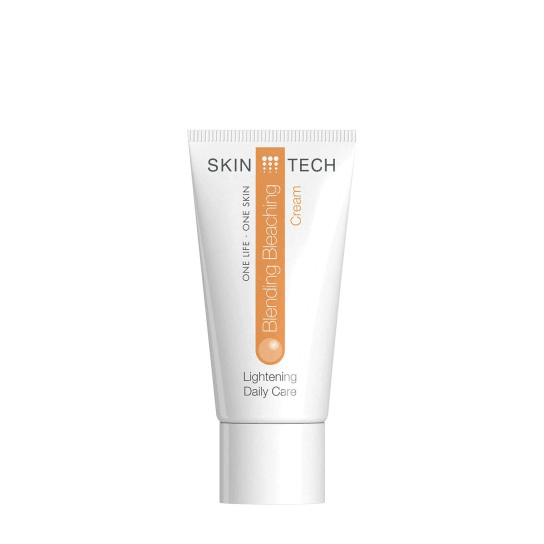
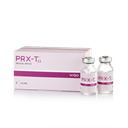
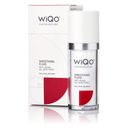
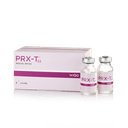
- Assists in regulation of melanogenesis activity
- Helps reduce residual post-inflammatory pigmentation
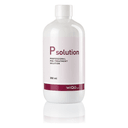
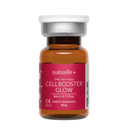
- Enhances uniformity of treatment response across facial zones
- Applied in combination phase or localized correction zones
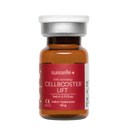
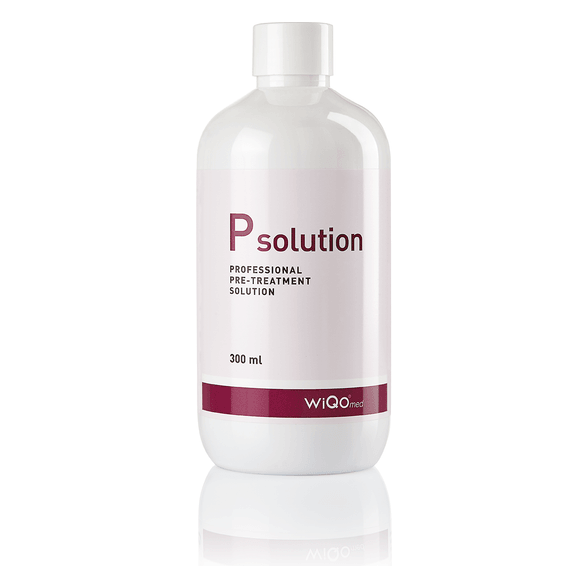
- Supports the protocol’s active phase without compromising the barrier
- Improves tolerance of the in-clinic steps between sessions
- Maintains the result achieved by the previous session
- Applied as directed by the protocol’s homecare regimen
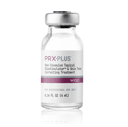
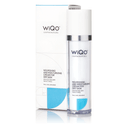
- Restores stratum corneum integrity after active treatment
- Reduces transepidermal water loss (TEWL)
- Improves patient comfort and reduces post-procedure sensitivity
- Maintains long-term hydration stability between sessions